
RTO in Ecommerce: How Indian D2C Brands Can Cut COD Cancellations and Delivery Complaints This Diwali (2026)
Executive Summary
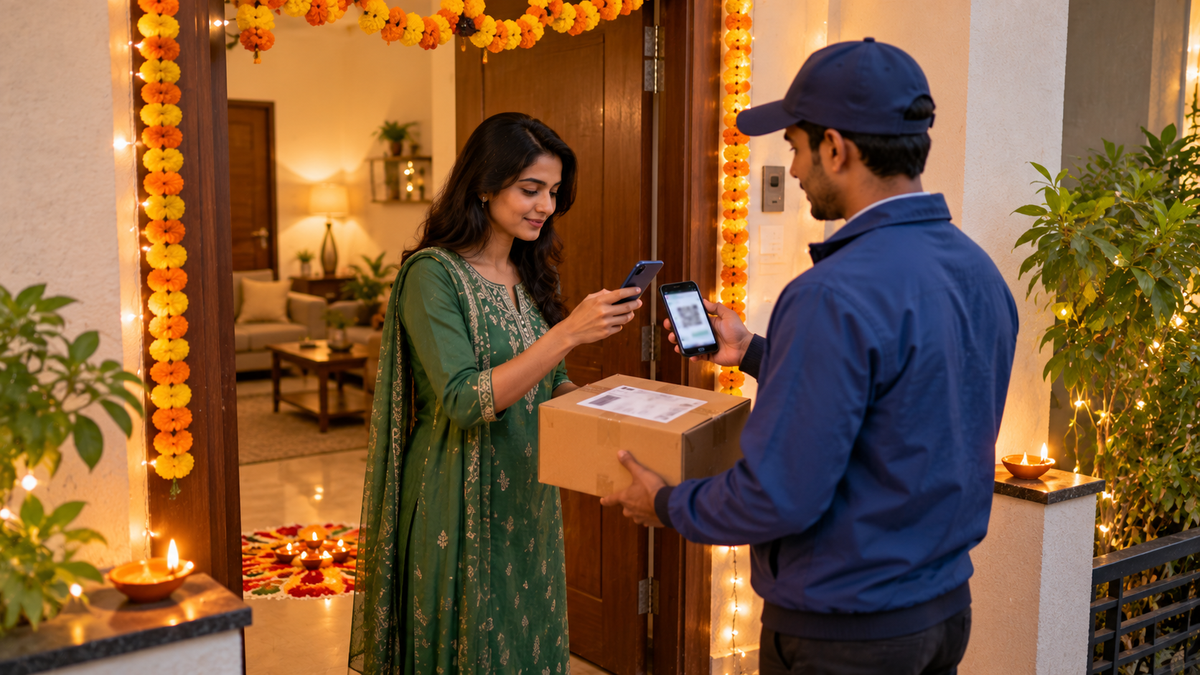
- RTO (Return to Origin) is when a parcel can’t be delivered and goes back to the seller. Shipway’s FY25 analysis found about 26% RTO on COD orders in India, compared with under 2% for prepaid.
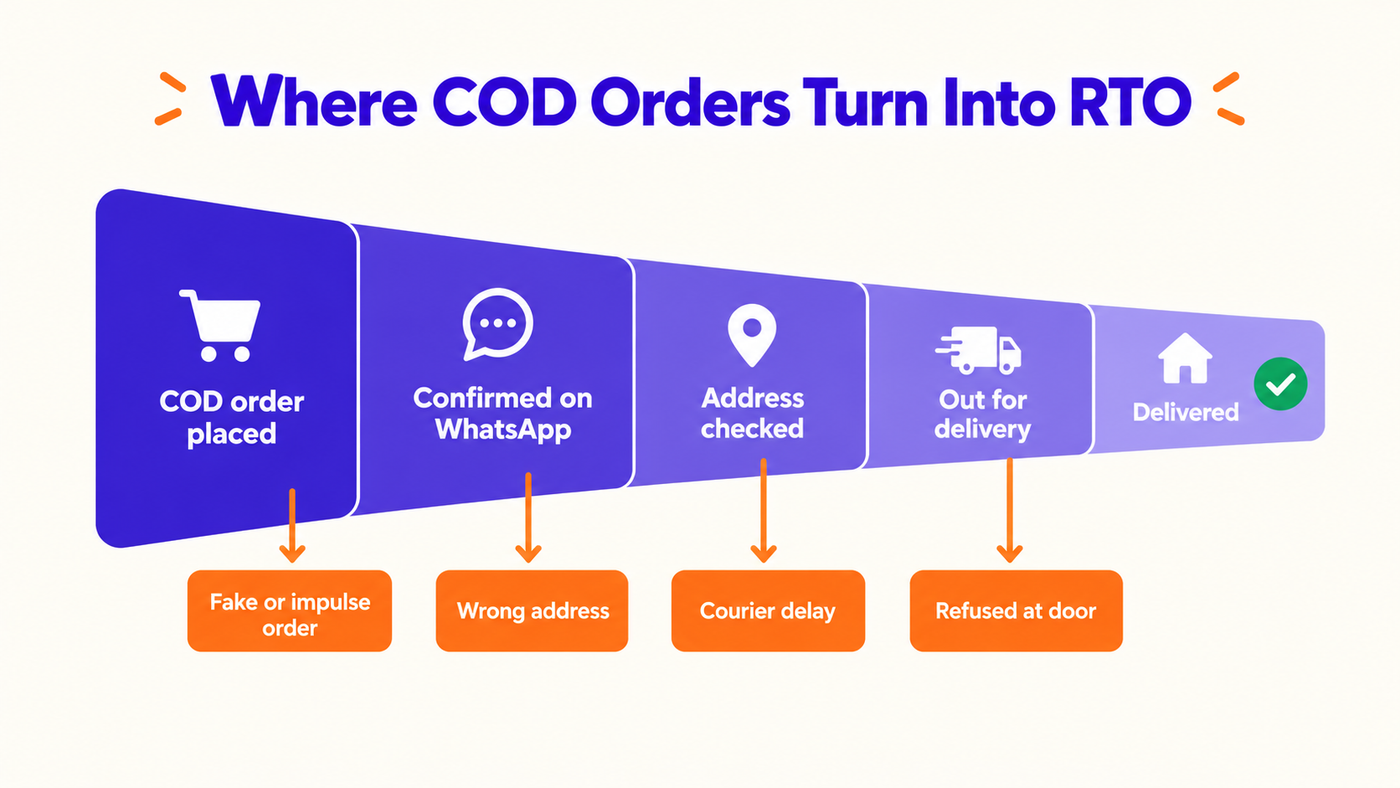
- RTO rises around Diwali because of impulse COD orders, wrong addresses, courier delays and customers who aren’t home during the festival.
- The biggest fixes are confirming COD orders on WhatsApp before dispatch, nudging COD buyers to prepay, checking addresses at checkout, setting pin code and repeat-refuser rules, and shipping fast.
- Track your RTO rate weekly by payment type, pin code and courier, and handle delivery complaints quickly so they don’t turn into refusals and bad reviews.
Ask any Indian D2C founder what hurts their margins most and RTO comes up within the first two minutes. Out of every hundred COD orders that go out, something like twenty-five can come right back, still sealed.
Think about what that means. You paid to ship it. You’ll probably pay to get it back. The COD fee’s gone, the box is beaten up, and the stock’s been stuck in transit for a week. All for an order that, in the end, never really happened. And around Diwali, with order volume shooting up and couriers running flat out, it gets a lot worse.
We handle order management and support for D2C brands, and honestly, RTO is one of the costliest problems we run into. The upside is that most of it can be fixed, and the fixes aren’t complicated. Here’s how to get ahead of it before the festive rush kicks in.
What Is RTO in Ecommerce?
RTO is short for Return to Origin. It’s what happens when the courier can’t deliver a parcel, so it travels back to your warehouse. Maybe the customer refused it at the door. Maybe nobody was home after a few tries. Maybe the address was wrong, or they simply changed their mind.
It’s not the same as a regular return. In a return, the customer gets the product and then sends it back. With RTO, the product never reaches them in the first place.
RTO vs RVP: you’ll hear RVP thrown around too. That’s Reverse Pickup, when the courier collects an already-delivered product for a return or exchange. So RTO is before delivery, RVP is after.
Why RTO Shoots Up Around Diwali
Festive season stacks the odds against you.
People place way more impulse orders on COD, often straight from an ad, because they don’t have to pay anything upfront. Some order the same thing from two or three places and just take whichever turns up first. Couriers are swamped, so deliveries slow down, and the slower a COD order is, the more likely it gets refused. Half the country travels home for the festival, so there’s no one at the door. And addresses typed in a rush on a phone are often missing half the details.
Add all that up and it’s not hard to see why RTO peaks exactly when you’re busiest.
What RTO Really Costs You
Most brands only look at the forward shipping charge. The actual damage is bigger than that.
There’s the outbound shipping and, usually, the return shipping too. COD handling fees mostly don’t come back. The packaging’s usually too damaged to reuse. The stock’s out of action for a week or two, right when it could’ve sold during the sale. And if your RTO rate keeps going up, couriers may start charging you more or put limits on your COD.
Then there’s the money you spent on ads to win that customer. If the order came back, that’s gone as well.
How Big Is the COD vs Prepaid Gap?
Bigger than most people expect. Shipway’s ShipNotes FY25 analysis, as reported by Amazon Shipping, puts RTO at about 26% on COD orders in India, against under 2% on prepaid. In some cities and customer groups, COD RTO ran even higher.
That doesn’t mean you should turn COD off. For a lot of Indian D2C brands, COD is still how most first-time buyers come in. It just means each COD order deserves a bit more attention before it leaves the warehouse.
How to Reduce RTO in Ecommerce: 9 Fixes Before Diwali
1. Confirm Every COD Order on WhatsApp
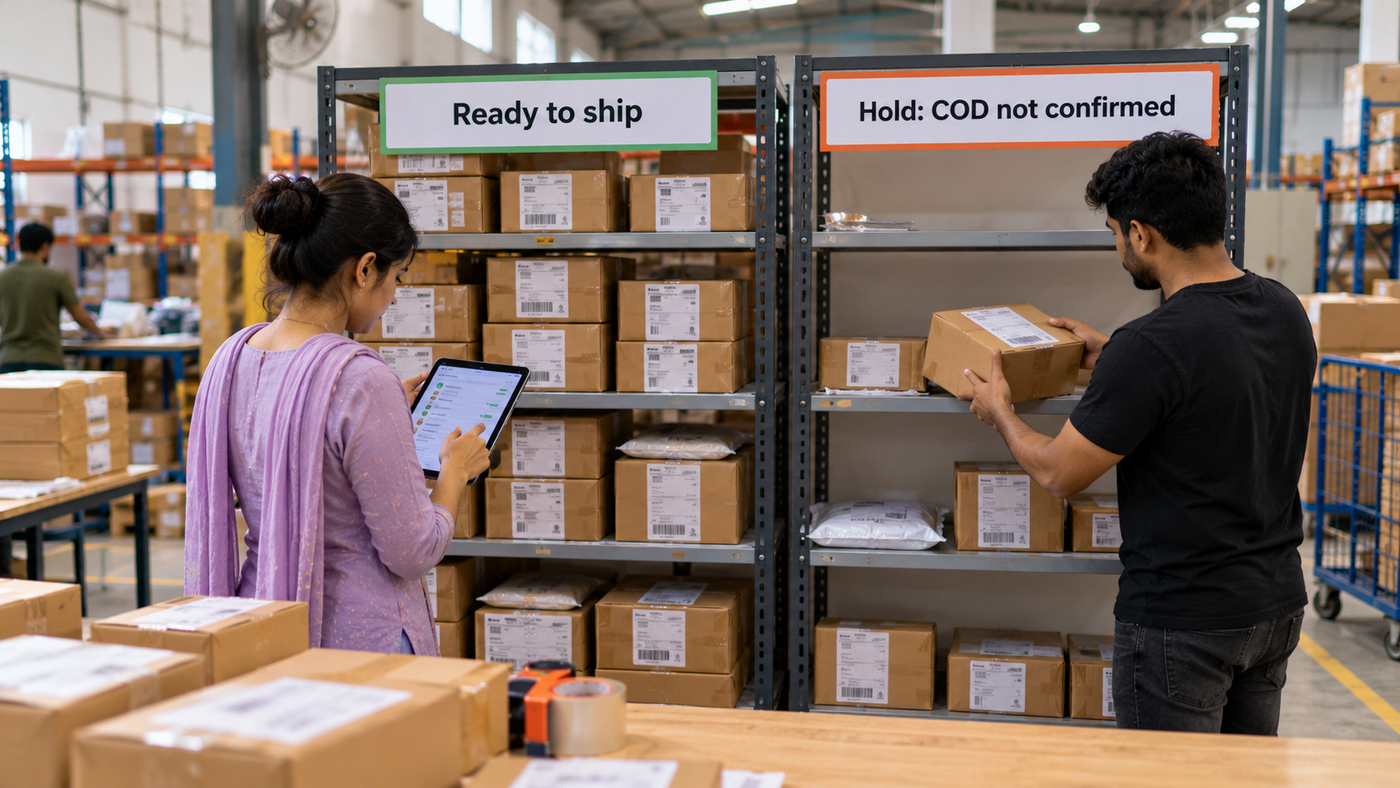
If you only do one thing on this list, make it this. The moment a COD order comes in, send an automatic WhatsApp message asking the customer to confirm with a single tap. Confirmed? Ship it. No reply after a few hours? Nudge them once more, or give them a quick call. Cancelled? Brilliant, you’ve just dodged a full round trip.
Most fake orders, test orders and “oops, didn’t mean to” orders fall away right here.
2. Nudge COD Buyers to Prepay
No need to force anyone. A small sweetener usually works, like a little discount or free shipping for paying by UPI. Some brands ask for a small advance on bigger COD orders too. Not everyone will switch, and that’s fine. Every order that does switch is one that almost never comes back.
A “pay now, get it faster” UPI link inside the confirmation message works nicely. It takes about ten seconds to pay.
3. Check Addresses at Checkout
You’d be surprised how much RTO is just bad addresses. Get your checkout to check the pin code, ask for a landmark, and flag addresses that are obviously incomplete. Then use the confirmation message to read the address back to them. Something like “Is this right: Flat 302, Green Park Society, near City Mall?” catches mistakes long before the courier does.
4. Set Smart Pin Code and Customer Rules
Dig into your past orders. If some pin codes or some customers keep refusing COD, set rules for them. COD only up to a certain order value, prepaid only for people who’ve refused before, or an extra confirmation step for big COD orders. Most COD and checkout tools let you do this without much fuss.
5. Ship Fast
Every extra day a COD parcel spends on the road gives the customer another day to change their mind or buy it somewhere else. Try to dispatch within a day of confirmation, and pick faster shipping for COD where you can. Speed on its own cuts out a fair few refusals.
6. Pick the Right Courier for Each Region
Couriers aren’t equally good everywhere. In your shipping dashboard, look at first-attempt delivery success and RTO by courier and region. If one partner keeps messing up in a particular area, send those orders through someone else. Most aggregators let you set that up as a rule.
7. Work the NDR List Every Day
When a delivery fails, it lands in the NDR (non-delivery report). Each one is your last shot at saving that order. Get in touch with the customer the same day on WhatsApp, confirm the address and a good time, and ask for a re-attempt. There’s more on this in our festive sale customer support checklist.
8. Set Clear Delivery Expectations
Show realistic delivery dates on the product page and in the confirmation, especially around Diwali week. If someone knows it’ll take five days, they’re much less likely to refuse it on day four. Send updates when it ships and when it’s out for delivery. Our guide to reducing WISMO tickets goes into this more.
9. Make COD Cancellation Easy Before Dispatch
Sounds odd, but stay with us. If someone wants to cancel a COD order, let them do it easily before you ship. A cancellation before dispatch costs you next to nothing. That same order refused at the door costs you shipping both ways. Put a clear cancel option in the confirmation message and order emails.
How to Handle Delivery Complaints During Diwali
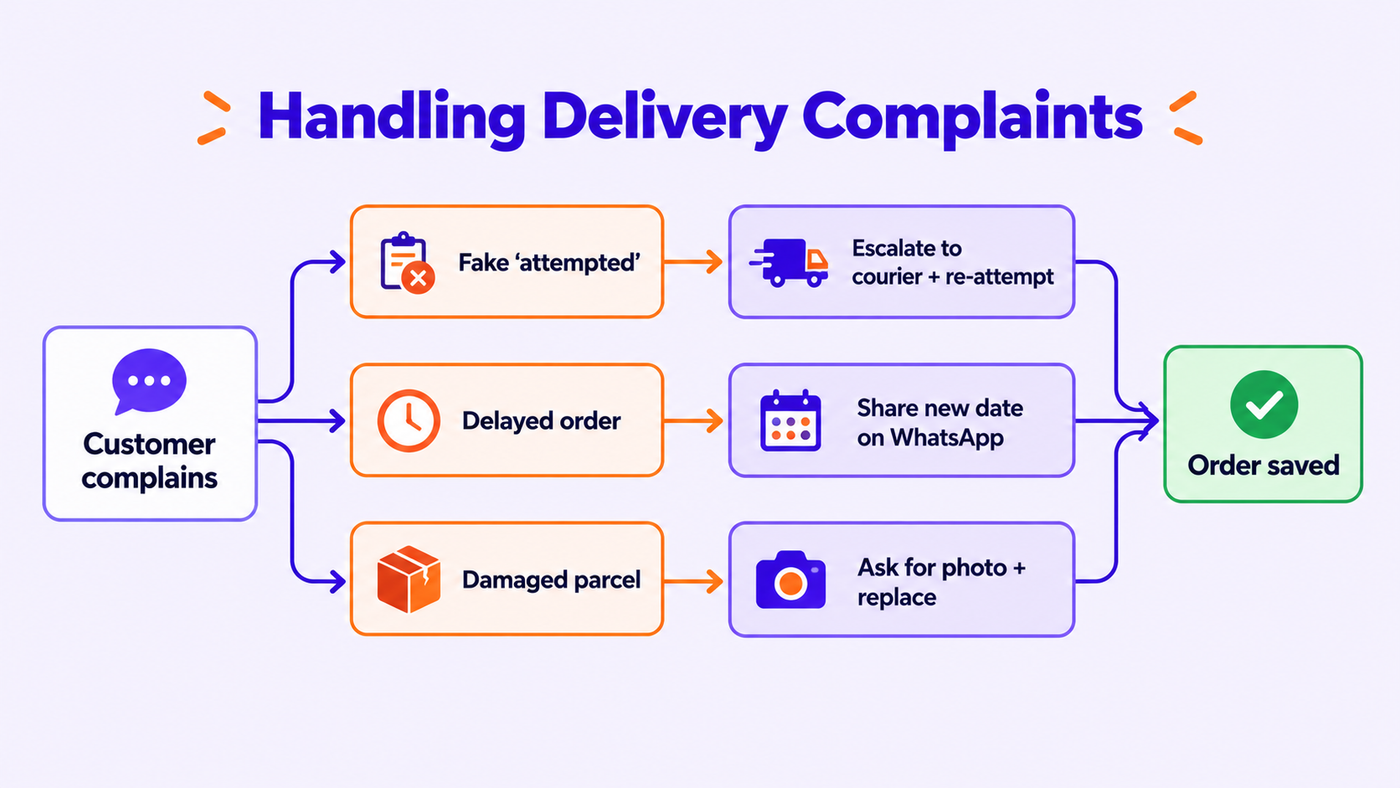
Even with all of the above, some customers will still have a rough delivery. Around Diwali, the usual ones are “tracking says attempted but nobody showed up,” long delays, damaged boxes and rude delivery staff.
Reply quickly, within a few hours if you can. Say sorry, check with the courier, and tell the customer exactly what happens next. For fake delivery attempts, raise it with the courier right away and push for a priority re-attempt. For damaged parcels, ask for a quick photo and offer a replacement or refund. And keep a simple log of complaints by courier, so you know who’s causing the most headaches.
Handle a complaint well and you usually save the order. Ignore it and it tends to turn into an RTO plus a one-star review.
Track These RTO Numbers Every Week
You can’t fix what you’re not measuring. A simple weekly sheet with these is enough:
- Overall RTO rate: (RTO orders ÷ shipped orders) × 100
- COD RTO rate vs prepaid RTO rate
- RTO by pin code or city
- RTO by courier
- First-attempt delivery success
- COD confirmation rate: how many COD orders get confirmed on WhatsApp
Keep an eye on the trend, not just the number itself. If RTO starts creeping up in one city or with one courier, you’ll spot it early. Our analytics and reporting team can set up this dashboard for you.
Frequently Asked Questions
What is RTO in ecommerce?
RTO means Return to Origin. It’s when a parcel can’t be delivered and goes back to the seller, usually because the customer refused it, wasn’t around, or the address was wrong.
What is the full form of RTO in ecommerce?
Return to Origin. (In transport, RTO means Regional Transport Office, which is a completely different thing.)
What is the difference between RTO and RVP in ecommerce?
RTO happens before delivery, when an undelivered parcel goes back to the seller. RVP, or Reverse Pickup, happens after delivery, when the courier picks up a product from the customer for a return or exchange.
What is the average RTO rate in Indian ecommerce?
It depends a lot on category, city and payment type. Shipway’s FY25 analysis found around 26% RTO on COD orders, compared with under 2% on prepaid.
How do I reduce RTO in ecommerce?
Confirm COD orders on WhatsApp before you ship, nudge buyers to prepay, check addresses at checkout, set rules for risky pin codes and repeat refusers, ship fast, use the right courier for each region and chase every failed delivery the same day.
Can COD orders be cancelled?
Yes, and it’s better for everyone if it happens before dispatch. Make early cancellation easy, because cancelling before shipping costs far less than an RTO.
Does this work for Meesho or Flipkart sellers?
Partly. On marketplaces, the platform decides COD settings and couriers, so you’ve got less control. Still, clear product details, accurate sizing, good packaging and quick answers to buyer questions all help cut down returns and RTO.
Get RTO Under Control Before the Rush
RTO isn’t just a shipping problem. It’s a communication problem too. A quick confirmation, a correct address and a customer who knows exactly when their order’s arriving stop most of it before it starts.
Want a team to handle COD confirmations, NDR follow-ups and delivery complaints for you this festive season? Have a look at our ecommerce order management and WhatsApp Business support services, start with a 15-day free pilot, or just message us on WhatsApp.
Recommended for you
Live Chat for Ecommerce: Setup, Staffing and Metrics for Shopify Stores (2026)

Ecommerce Return Solutions: 7 Ways to Cut Return Costs in 2026
Agentic Commerce Optimization for Shopify: How to Get Your Products Chosen by AI Shopping Agents (2026)